Altcoins vs Stablecoins: Beginner's Guide & Comparison
Blockchain alternative coins, their issuers, ecosystem role, and key differences from stable coins
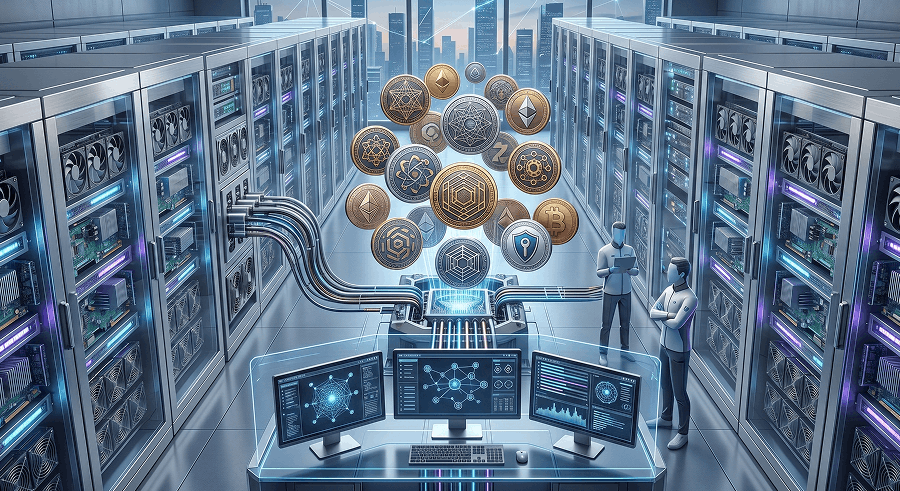
Learn what altcoins are, who creates them, and how they work. In this simple guide for beginners, we compare altcoins with stable coins and share practical safety tips.
Imagine the cryptocurrency world as a large city. Bitcoin is the very first, largest, and most recognizable building in this city - like the historic town hall. But what are all the other buildings surrounding it? In the cryptocurrency world, they are called altcoins (altcoins).
If you are hearing this word for the first time, this guide will help you understand in simple language what altcoins are, who emits (creates) them, how they work, and how they differ from so-called stable coins or stable currencies.
What are Altcoins?
The word "altcoin" is a combination of two English words: "alternative" (alternative) and "coin" (coin). Simply put, altcoins are all other cryptocurrencies except Bitcoin.
Since Bitcoin was the very first and remains the most influential cryptocurrency, the rest of the industry that followed after it acquired the name of alternative coins. Today, thousands of different altcoins exist in the world, each with its own purpose and technological application.
Who Emits and Creates Altcoins?
Unlike traditional money (the euro or dollar) emitted by national central banks, altcoins can be created and issued by any company, developer team, or even private individual. Here are the three main types of issuers:
- Foundations and Non-Profit Organizations: The largest and most serious altcoins are typically managed and developed by non-profit foundations. For example, the world's second-largest cryptocurrency, Ethereum (ETH), is managed by the Switzerland-registered Ethereum Foundation.
- Commercial Enterprises: Many altcoins are created by companies to finance the development of their services. For example, the popular Solana (SOL) cryptocurrency was developed and is maintained by Solana Labs.
- Communities and Anonymous Developers: Some altcoins originate as community experiments without clear leadership or even as jokes (so-called meme coins, such as Dogecoin), developed by volunteer programmers worldwide.
Why are Altcoins Needed at All?
If we already have Bitcoin, why is something else necessary? Each altcoin attempts to solve a problem that Bitcoin cannot solve or does too slowly. The main applications of altcoins are:
- Smart Contracts and Applications: Altcoins like Ethereum or Solana allow developers to create automatic programs (smart contracts) and decentralized applications directly on the blockchain. This means that entirely new financial systems can be built on these platforms without bank intermediation.
- Faster and Cheaper Payments: Bitcoin transactions can take 10 to 60 minutes and be expensive. Altcoins like Litecoin (LTC) or XRP are designed so that money transfers occur in a few seconds and cost only a fraction of a cent.
- Governance and Voting: Many projects issue their altcoins to allow their holders to vote on the direction the project will take in the future.
If you want to learn the very basics of blockchain technology, we recommend reading our guide Crypto for Beginners.
How Altcoins Compare to Stable coins
Frequently, people confuse altcoins with stable coins (stable coins). Although both are digital assets, their nature and purpose are entirely opposite.
Here is a simple comparison:
| Property | Standard Altcoins (e.g., ETH, SOL, ADA) | Stable coins (e.g., USDC, EURC) |
|---|---|---|
| Price Stability | Highly volatile. The price changes every second depending on market demand. It can rise by 30% or fall by 50% in a single day. | Stable. The price is artificially pegged to a real currency (US Dollar or Euro) at a 1:1 ratio. One stable coin should always cost exactly 1 USD or 1 EUR. |
| Backing | No direct backing. The value is determined solely by the utility of the technology, network popularity, and market speculation. | The emitter holds real cash reserves (bonds, cash in bank) matching every issued coin. |
| Main Purpose | Investment, powering technologies, and profiting from price fluctuations. | Everyday payments, sending money globally, and securing profits without the need to withdraw money to a traditional bank account. |
| Risk Level | High market risk (price fluctuations) but high potential reward. | Low market risk, but issuer or banking system risk exists (that the issuer loses reserves or banks collapse). |
To learn more about how to safely use stable coins and what the safest choices in Europe are, read our extensive Stablecoin Guide.
Safety Rules: How to Start and Not Lose Money
Since altcoins are extremely simple to create, there are many speculations and even fraud cases in the market. If you want to start exploring the altcoin world, follow these basic rules:
- Buy Only in Regulated Places: Use only licensed and trusted cryptocurrency exchanges (such as Coinbase, Kraken, Bitstamp, or Finnish Coinmotion). Read about regulations in the Baltics and licensed CASP entities in the article MiCA Baltijai Explainer.
- Avoid "Too Good" Promises: If a new altcoin promises a guaranteed 100% return in a few days – it is almost certainly a scam project.
- Keep Money Safe: Always hold larger sums on a personal hardware wallet rather than leaving them on an exchange. You can read detailed wallet instructions in the Hardware Wallet Guide.
Summary
Altcoins are an exciting and rapidly growing part of the cryptocurrency world. They deliver technological innovations, fast payments, and smart contracts. However, unlike stable coins, which are designed for the stability of daily payments, standard altcoins are subject to large price fluctuations. Start with small amounts, research the projects, and always think about the safety of your funds.